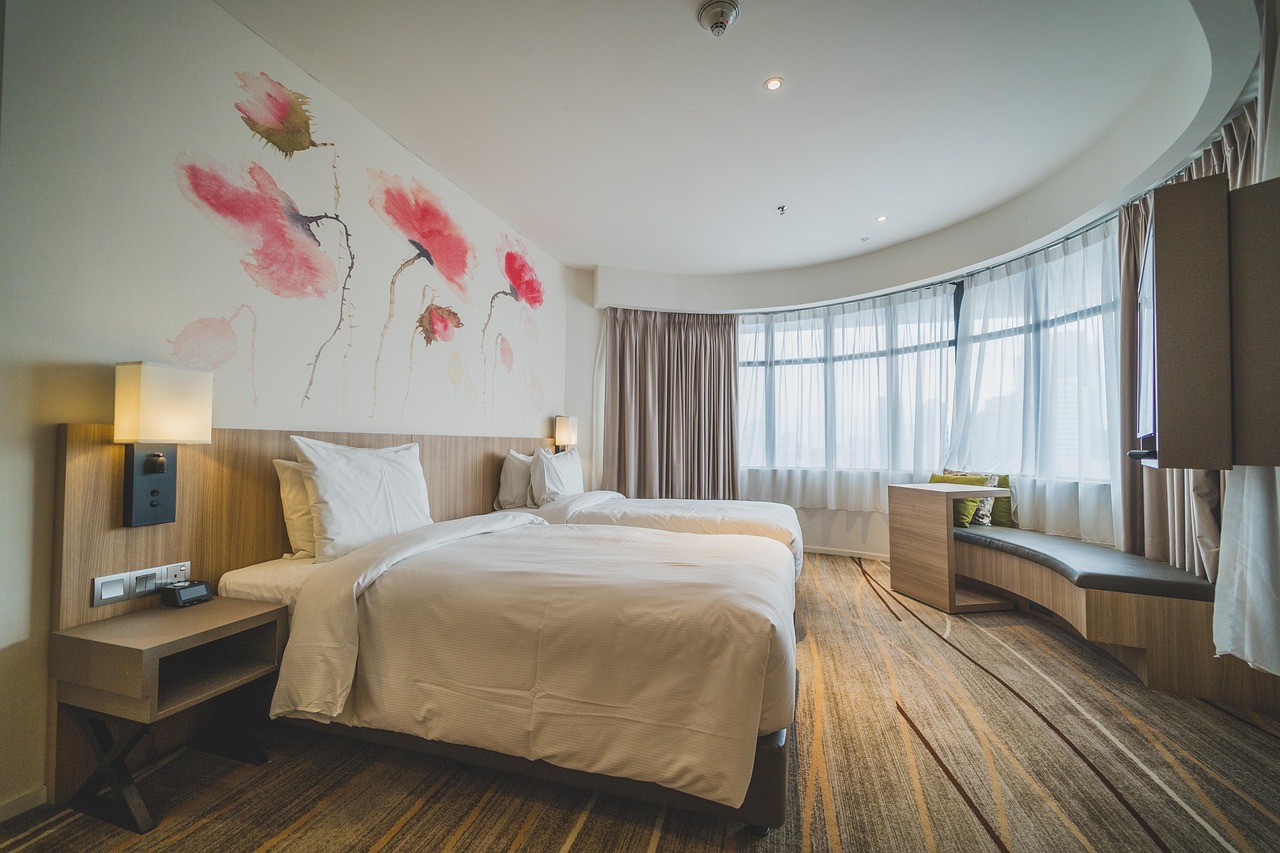
There was a time when “hotel style” at home meant a stack of white towels and a bed you were slightly afraid to sit on. That idea has changed. More people are borrowing the feel of a good hotel, not its stiffness: softer lighting, better storage, richer materials and rooms that feel put together without becoming untouchable.
Part of the appeal is practical. Hotels are designed to help people switch off quickly, and that works well at home too. A hallway with fewer visual distractions feels calmer. A bedroom with layered lamps is more useful than one harsh ceiling light. Even a sitting room arranged for conversation instead of simply facing a screen can change how a home is used.
This is one reason interest in luxury interior designs has spread beyond glossy magazine fantasy. People are not only looking at grand houses, they are studying how high-end interiors handle comfort, proportion and atmosphere. The lesson is less about spending wildly and more about editing well: choosing fewer, better pieces and thinking carefully about texture, scale and light.
The details people notice most
- Lighting at different heights to avoid a flat, overlit room.
- Materials with depth, such as linen, timber, stone and brushed metal.
- Invisible storage that helps a space feel settled rather than crowded.
What makes this trend interesting is that it is not really about imitation. Most people do not want to live in a lobby. They want homes that feel restful, deliberate and a little more generous in spirit. If contemporary interiors are heading anywhere, it may be towards that balance: spaces that look refined, but still invite you to put the kettle on and stay awhile.
Featured image credit: Pixabay.
