Understanding your rights as a passenger can make a stressful situation far easier to handle. Flight delays, cancellations, and lost baggage are unfortunately common, but knowing how to approach airline complaints can significantly improve your chances of a fair resolution. If you’ve recently experienced travel disruption, it’s worth taking a structured and informed approach to ensure your voice is heard. Many travellers with airline complaints are unaware that there are formal processes in place to support them, beyond simply contacting the airline directly.
What Qualifies As Airline Complaints
Airline complaints can cover a wide range of issues, from delayed or cancelled flights to poor customer service, denied boarding, or mishandled luggage. In the UK and EU, passengers are often protected under regulations such as UK261, which outlines compensation rights for delays and cancellations.
It’s important to identify whether your situation falls under these regulations, as this will determine the strength of your claim. For example, a delay of more than three hours may entitle you to compensation, depending on the cause. Complaints relating to discomfort, seating issues, or onboard service may not qualify for financial compensation but can still be formally raised.
Step-By-Step Process For Raising Airline Complaints
Taking a clear and organised approach is key when submitting airline complaints. Following the correct steps can help avoid unnecessary delays or rejections.
- Contact the airline directly as soon as possible, ideally through their official complaints form or customer service email.
- Provide all relevant documentation, including booking confirmations, boarding passes, and receipts for any additional expenses incurred.
- Clearly outline the issue, including dates, times, and the impact the disruption had on your journey.
- Keep records of all correspondence, as this will be essential if you need to escalate the matter later.
Many airlines have dedicated complaints procedures, and giving them the opportunity to respond is usually the first required step before seeking external help.
When To Escalate Your Complaint
If the airline fails to respond within a reasonable timeframe (typically eight weeks) or rejects your claim unfairly, you can escalate your airline complaints to an independent body. This is where Alternative Dispute Resolution (ADR) services come in.
ADR providers assess complaints impartially and can issue legally binding decisions. This route is often quicker and less stressful than pursuing legal action. However, not all airlines are signed up to ADR schemes, so it’s important to check whether your airline participates before proceeding.
Tips For Strengthening Your Claim
Well-prepared airline complaints are far more likely to succeed. Providing clear evidence and maintaining a professional tone can make a significant difference.
- Include photos, receipts, and screenshots where possible.
- Reference relevant regulations, such as UK261, if applicable.
- Avoid emotional language and stick to factual details.
- Submit your complaint promptly, as delays can weaken your case.
For example, if your flight from London to Barcelona was delayed by four hours due to a technical issue, including proof of delay and citing compensation guidelines will strengthen your position considerably.
Why Knowing The Process Matters
Understanding the correct process for airline complaints saves time and reduces frustration. Rather than repeatedly contacting customer service without progress, following a structured approach ensures your complaint is taken seriously and handled appropriately.
It also empowers you as a traveller. With increasing passenger numbers and ongoing travel disruptions, airlines receive high volumes of complaints. Standing out with a well-documented and correctly submitted claim can make all the difference in securing compensation or resolution.
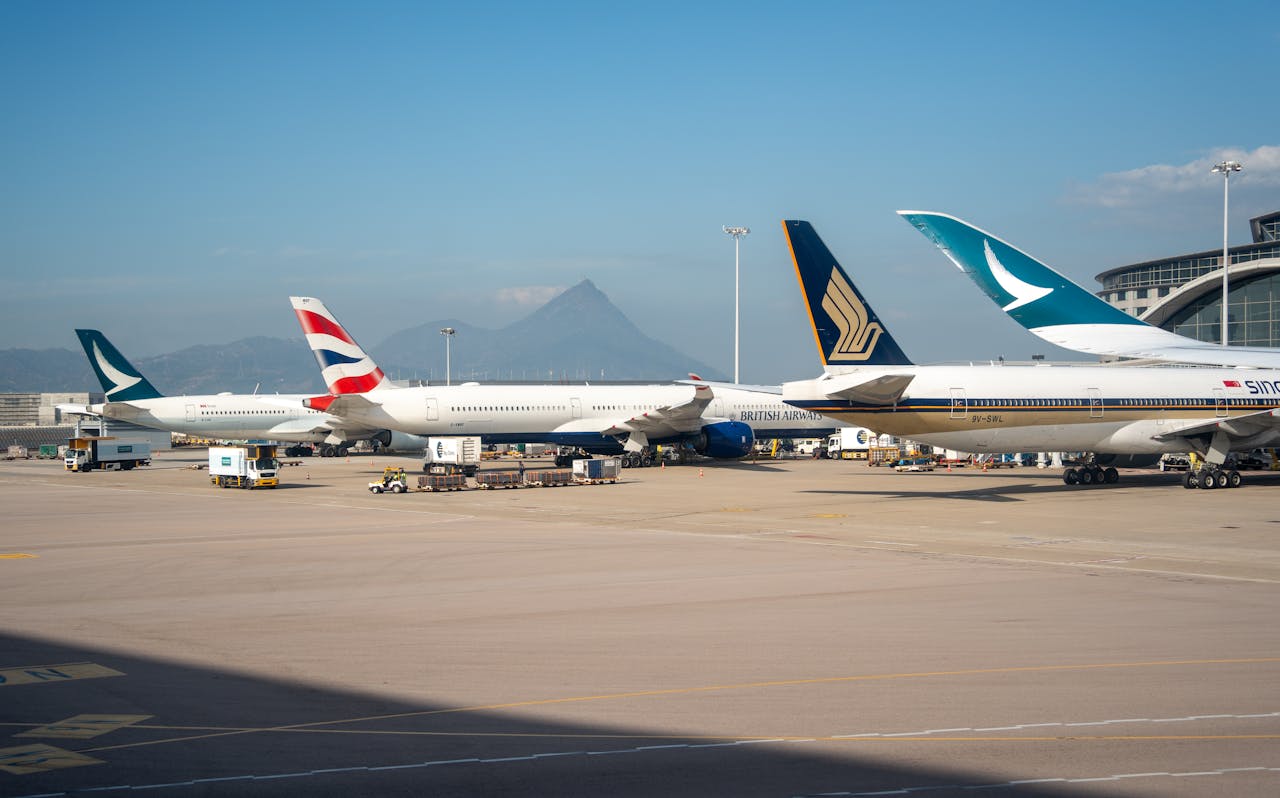
Featured image credit: Pexels.