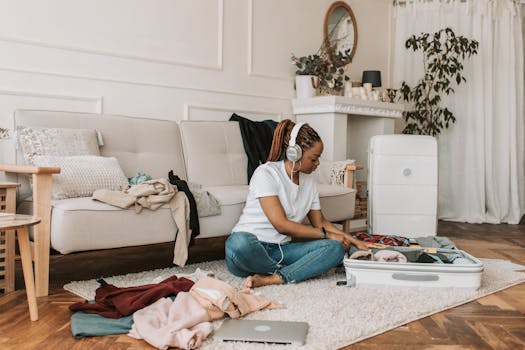
Packing for extended travel does not have to mean carrying heavy luggage and unnecessary items. With the right strategy, travellers can pack lighter, stay organised, and enjoy a more flexible travel experience.
Overpacking is one of the most common travel mistakes. Many travellers prepare for every possible situation, only to discover they use half of what they packed. Heavy luggage creates unnecessary stress at airports, train stations, and hotels while making travel less flexible overall.
Learning how to pack smarter can completely transform the travel experience. With thoughtful planning and a focus on essentials, it becomes easier to move comfortably, stay organised, and enjoy the journey without being weighed down.
The key is not packing less for the sake of it, but packing more intentionally.
Choosing the Right Luggage
The first step towards smarter packing is selecting practical luggage. Large suitcases often encourage travellers to fill unused space with unnecessary items.
For most trips, a medium-sized suitcase or quality carry-on bag is more than enough. Travellers who move between multiple destinations may benefit from a travel backpack that offers greater flexibility on public transport and uneven streets.
Lightweight luggage with durable wheels, secure compartments, and weather-resistant materials can make a noticeable difference during longer journeys.
Packing cubes are another simple but highly effective tool. Separating clothing into organised sections saves time and prevents travellers from constantly unpacking entire bags to find individual items.
Building a Versatile Travel Wardrobe
One of the biggest causes of overpacking is clothing. Instead of packing complete outfits for every day, focus on versatile items that can be mixed and matched easily.
Neutral colours work particularly well because they pair together naturally. A small collection of comfortable tops, lightweight layers, and practical trousers often provides more flexibility than numerous single-use outfits.
Weather should also guide packing decisions. Checking forecasts in advance helps avoid carrying unnecessary heavy clothing or shoes.
Comfortable footwear is especially important. Many travellers pack too many shoes despite only wearing one or two pairs regularly. A reliable walking shoe and a lighter secondary option are usually sufficient for most trips.
Minimising Toiletries and Technology
Toiletries are another area where travellers frequently overpack. Travel-sized products are widely available and easier to carry, especially for flights with cabin baggage restrictions.
Many hotels and accommodation providers also supply essentials such as shampoo, soap, and towels, reducing the need to carry full-sized items.
Technology should be approached carefully as well. Laptops, cameras, chargers, adapters, and accessories quickly add weight. Before packing, travellers should consider what devices are genuinely necessary for the trip.
A smartphone alone can often replace several separate items including guidebooks, maps, cameras, and entertainment devices.
Planning for Flexibility
Experienced travellers understand that flexibility matters more than preparation for every possible scenario. Laundry services exist almost everywhere, forgotten items can usually be purchased locally, and travel plans often change unexpectedly.
Packing lighter creates greater freedom during a trip. It becomes easier to walk between stations, use public transport, or adapt plans without worrying about heavy baggage.
Minimal packing also leaves room for souvenirs, local purchases, or extra layers collected during the journey.
Why Packing Light Improves Travel
Travelling with less does more than reduce physical weight. It removes unnecessary decisions, lowers stress, and allows travellers to focus more fully on the experience itself.
There is a noticeable difference between dragging oversized luggage through crowded airports and travelling comfortably with only what is genuinely needed.
Smarter packing encourages a more confident and flexible style of travel. Instead of managing belongings constantly, travellers can spend more time exploring destinations, meeting people, and enjoying spontaneous experiences.
The best travel memories rarely come from what was packed in a suitcase. They come from the freedom to move easily and embrace the journey as it unfolds.
Featured image credit: Pexels.