There’s something rather appealing about the idea of travelling without constantly watching the clock. Rather than rushing through airports, squeezing several destinations into a week or spending hours planning complicated connections, slow travel offers a different approach.
The concept is simple: spend longer in fewer places, choose more considered ways to get around and give yourself time to experience somewhere properly. It’s not necessarily about travelling less or spending more money. It’s about changing the emphasis from how many places you can visit to what you actually experience along the way.
Make the Journey Part of the Holiday
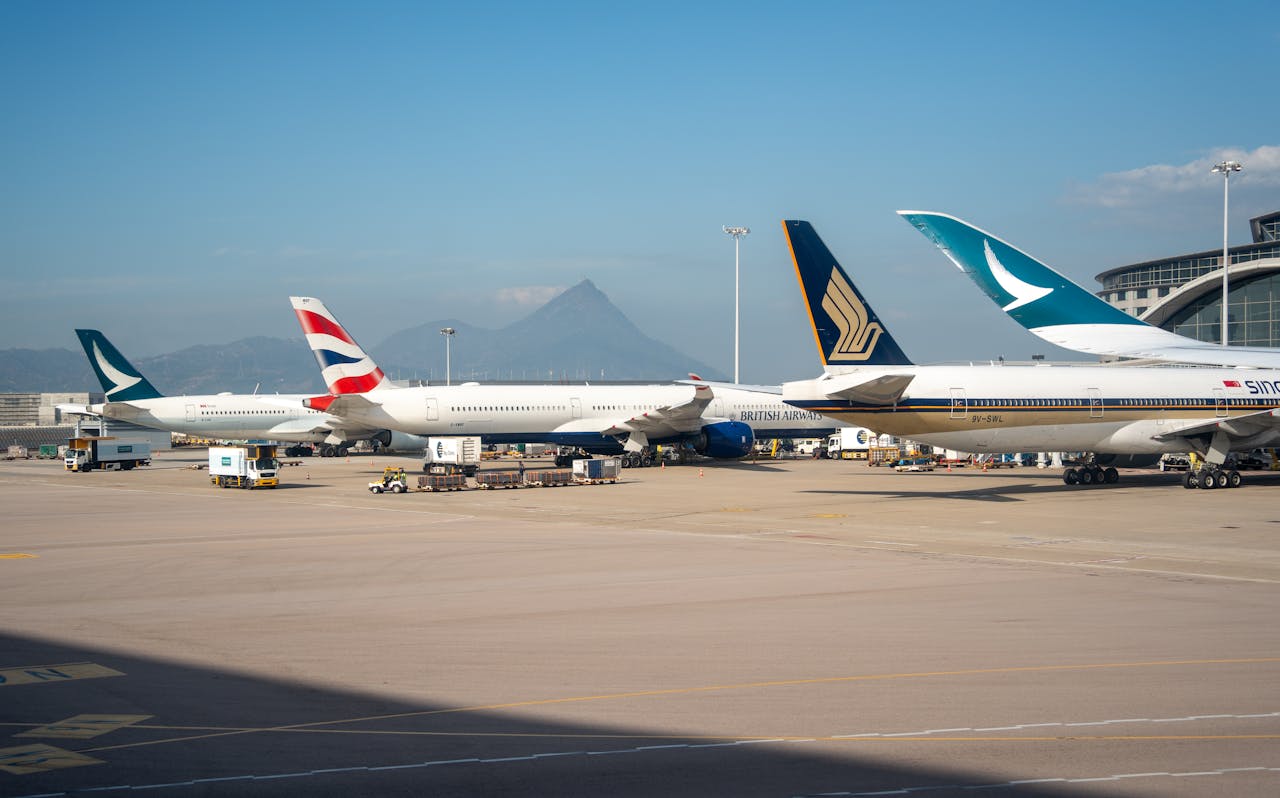
Flying is often the quickest way to reach a destination, but it can also mean missing some of the experiences that make travelling enjoyable.
Train journeys, in particular, offer an opportunity to see a country from a different perspective. Instead of arriving at an airport on the outskirts of a city, you might find yourself travelling through countryside, passing small towns and watching the landscape change along the way.
Some journeys are destinations in their own right. Europe’s extensive rail network makes it possible to travel between major cities, coastal towns and mountain regions without hiring a car or relying on domestic flights.
There’s also something satisfying about settling into a comfortable seat, finding a good book and watching the world pass by outside the window.
Choose Fewer Destinations
Trying to fit too much into a holiday can leave you feeling as though you’ve spent more time travelling between places than actually enjoying them.
Instead of visiting four cities in seven days, consider choosing one or two and exploring them in greater depth.
Staying somewhere for several nights gives you time to discover different neighbourhoods, visit attractions without rushing and find places you might never have encountered on a tightly scheduled itinerary.
It also removes some of the practical frustrations of travelling, such as repeatedly packing and unpacking, checking in and out of accommodation and working out transport connections.
Explore Beyond the Obvious
Slow travel encourages you to look beyond the most familiar destinations. Rather than automatically choosing the capital city or best-known resort, consider smaller towns, rural communities and less frequently visited regions.
These places can offer excellent food, interesting architecture, beautiful scenery and opportunities to experience local traditions.
A smaller Italian town, for example, might provide a more relaxed introduction to regional food and culture than a packed itinerary covering Rome, Florence and Venice. Similarly, exploring the villages around a popular Spanish coastal resort can reveal a completely different side of the region.
The key is to choose somewhere that interests you rather than simply following the most popular recommendations.
Spend Time Living Like a Local
One of the pleasures of staying somewhere for longer is being able to establish a temporary routine.
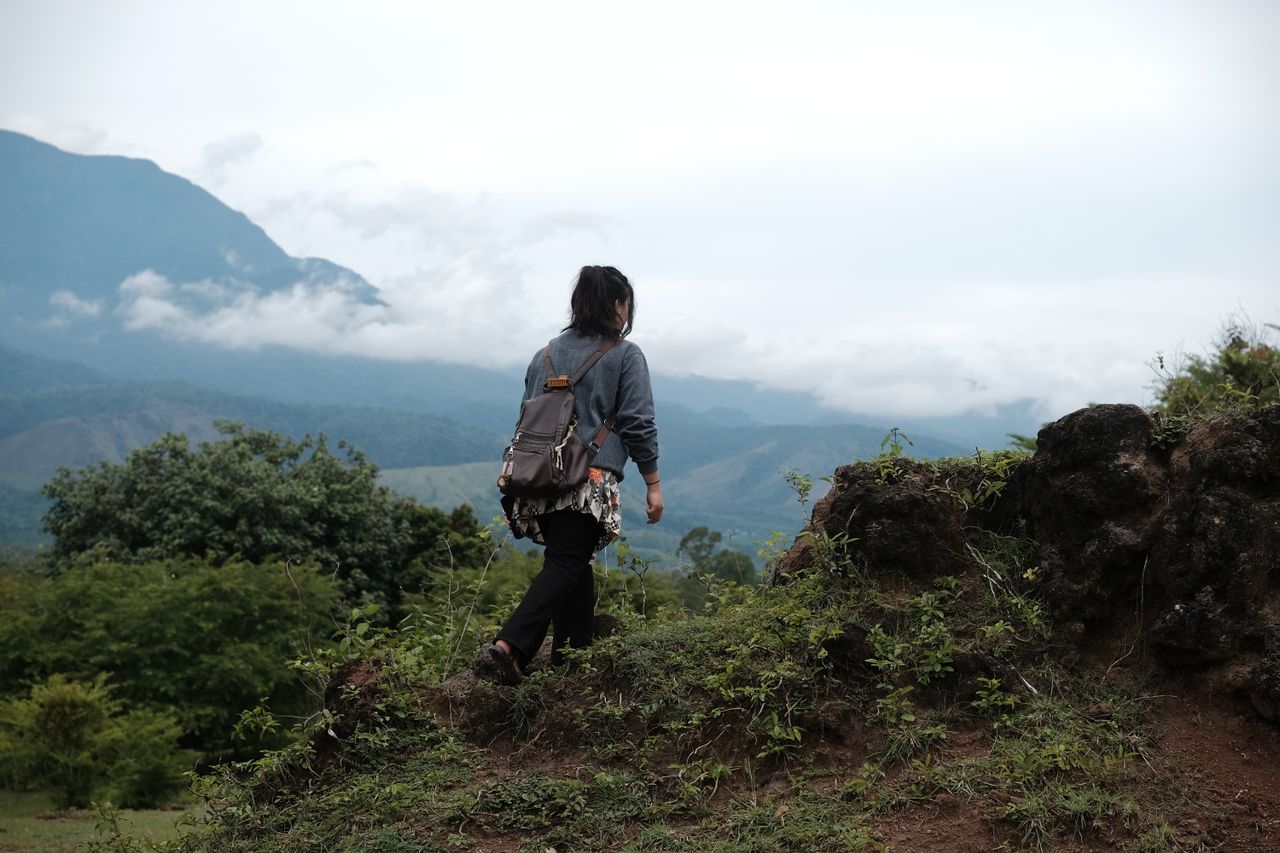
Visit the same bakery each morning, browse the local shops, find a favourite coffee spot or spend an afternoon in a neighbourhood park. These everyday experiences can become just as memorable as visiting major attractions.
Choosing self-catering accommodation can also make a difference. Shopping at local markets, preparing meals with regional ingredients and enjoying breakfast on a balcony or terrace all contribute to a more relaxed style of holiday.
It’s a chance to experience the practical side of living somewhere rather than simply passing through.
Travel More Thoughtfully
Slow travel can also encourage more considered decisions about how and where we travel.
Choosing trains over short-haul flights where practical, using local public transport and supporting independent businesses can help reduce the impact of tourism on popular destinations.
Travelling outside peak season is another option. Spring and autumn can offer pleasant weather in many parts of Europe, often with fewer crowds and greater flexibility when booking accommodation and activities.
It can also make popular attractions more enjoyable, allowing you to appreciate them without battling through peak-season queues.
Rediscover the Pleasure of Having Time
Perhaps the biggest benefit of slow travel is that it removes some of the pressure to make every moment count.
There’s no need to rush through breakfast because there’s another attraction to reach, or cut short a lovely afternoon because the next stop is already booked. You can change your plans, stay somewhere longer or simply do very little for a day.
Travel doesn’t always have to involve ticking destinations off a list. Sometimes the best holidays are those where you have enough time to appreciate where you are, enjoy the journey and return home feeling as though you’ve genuinely had a break.
Photo by Umar ben via pexels.