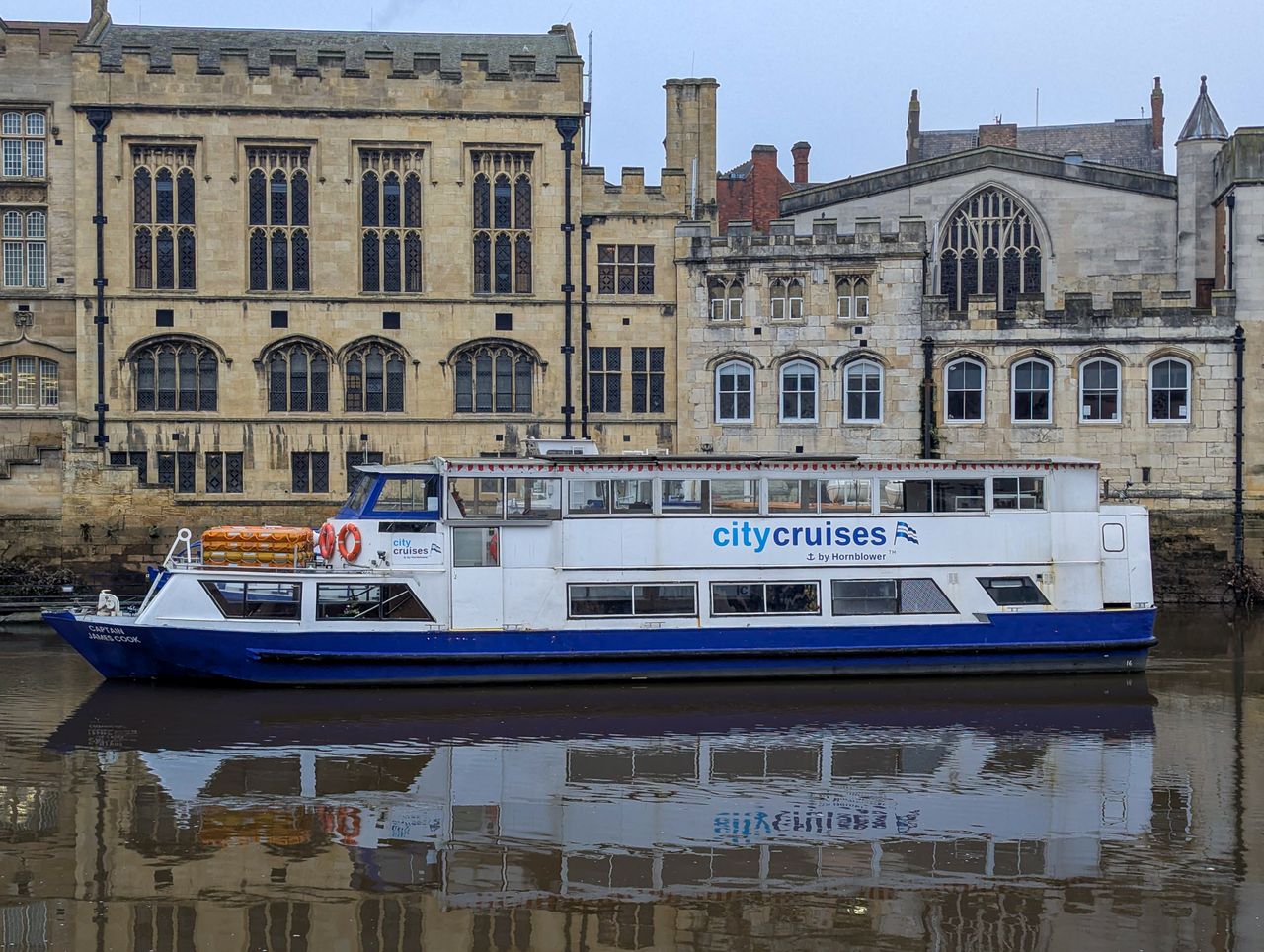
A certain kind of daydream tends to appear somewhere between the school run, the inbox and the evening news: water, slow movement and a horizon free of dual carriageways. It is not exactly glamorous. It is quieter than that. Britain’s rivers are good at creating that mood on a small scale, whether you’re standing on a towpath with a coffee or watching the current slip past a town bridge you had barely noticed before.
What makes inland boating interesting now is not luxury but scale. At a time of expensive flights and packed weekends, people are looking again at ways to spend time that feel local but still distinct from ordinary life. That helps explain the renewed interest in river cruisers, which sit in an appealing middle ground: less romanticised than a postcard canal boat, less showy than a seagoing yacht, and more connected to the everyday geography of Britain.
Not a holiday cliché
Part of the charm is that river culture still feels pleasantly unfussy. You do not need to know marina jargon or act as if every waterside pint counts as an adventure. Usually, the pleasures are smaller:
- a village seen from the landing stage rather than the car park;
- the unhurried etiquette of locks, ropes and waving strangers through;
- the odd novelty of measuring distance in bends and bridges instead of miles.
That may be why rivers still feel like a discovery, even when they pass through places we know well. They offer a different tempo, not a dramatic escape. In a culture that keeps telling us to optimise, upgrade and move on, there is something quietly radical about choosing a route that meanders on purpose.
Photo by Mike Norris via pexels.