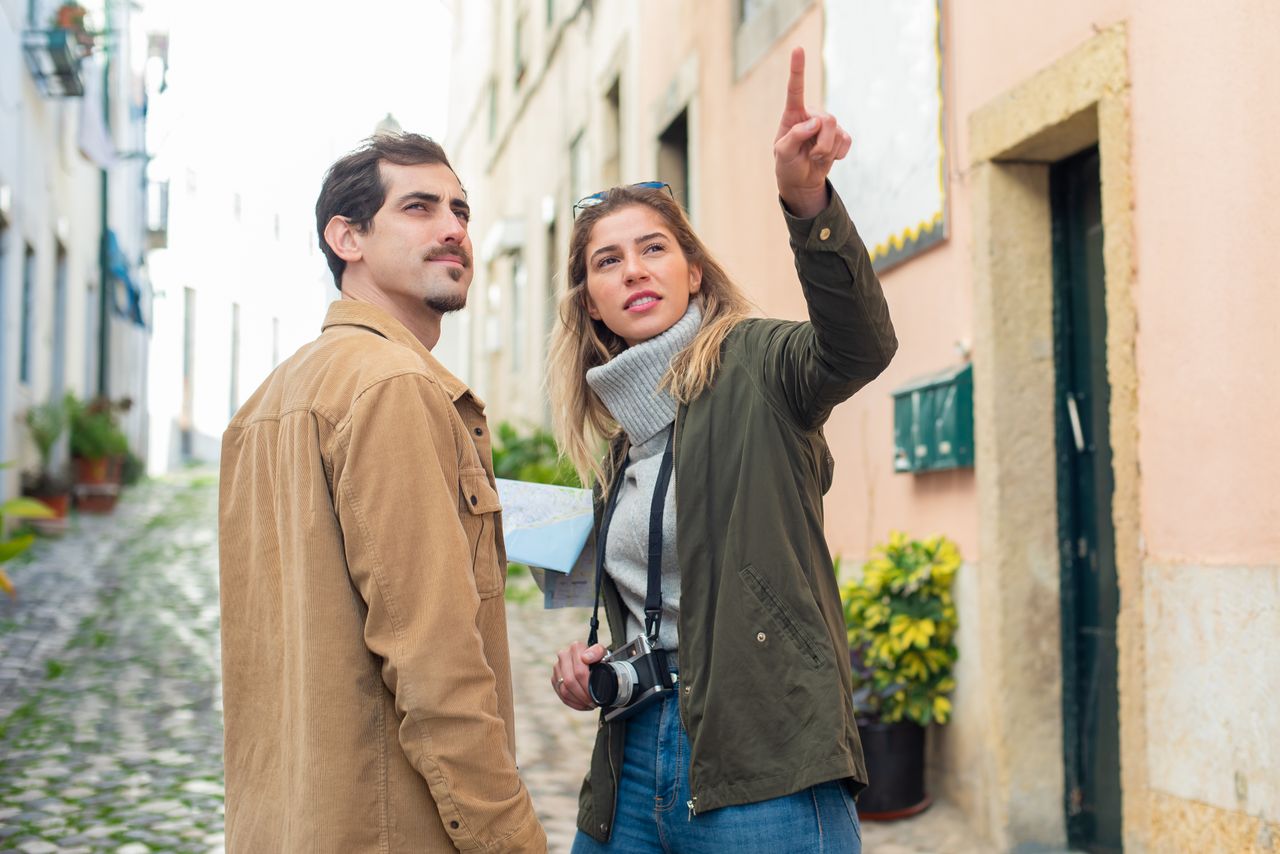
Travelling somewhere new often comes with a list of must-see attractions. Famous landmarks, popular museums and well-known viewpoints all have their place, but they don’t necessarily tell you what a destination is really like. Some of the most memorable travel experiences happen away from the main tourist trail, in neighbourhood cafés, independent shops, local markets and streets that rarely feature in guidebooks.
Exploring a destination at a slower pace can reveal a completely different side of a place. Instead of rushing between attractions, there’s more opportunity to notice the details, meet local people and discover the places that give a town or city its character.
Step Away from the Main Streets
Most popular destinations have a central area where visitors naturally gravitate. While these streets are often worth exploring, wandering a little further afield can lead to some interesting discoveries.
Residential neighbourhoods, smaller shopping streets and less fashionable districts can offer a more authentic experience. Look out for independent bakeries, family-run restaurants, traditional pubs and specialist shops that cater primarily to local residents.
It’s also worth exploring without a particularly fixed agenda. Choose a neighbourhood, put the map away for a while and see where the streets take you. You might stumble across a beautiful old building, a tucked-away garden or a café that becomes the highlight of your trip.
Make Time for Local Markets
Markets are an excellent way to get a feel for everyday life in another country. From food markets selling regional produce to flea markets filled with antiques and unusual finds, they offer much more than an opportunity to pick up souvenirs.
A morning spent browsing market stalls can provide insight into local food traditions, seasonal ingredients and the products people actually buy. It’s also a good opportunity to sample regional specialities without committing to a formal restaurant meal.
In many European cities, markets are social spaces as much as commercial ones, with locals meeting for coffee, catching up with friends and enjoying a leisurely start to the day.
Follow the Local Food Scene
Food is one of the easiest ways to connect with a destination, but it’s worth looking beyond restaurants recommended by the biggest travel websites.
Ask hotel staff, shopkeepers or taxi drivers where they would go for lunch. Look for menus that change with the seasons and restaurants that appear to have a loyal local following.
Food halls, neighbourhood cafés and small family-run establishments can often provide a better insight into regional cooking than restaurants catering exclusively to tourists.
If you’re visiting somewhere with a distinctive food culture, consider booking a local food tour or cookery experience. These can introduce you to ingredients, techniques and traditions that you might otherwise overlook.
Learn a Little About the Area
Understanding some of a destination’s history can make exploring it much more rewarding. Before travelling, spend a little time finding out about its architecture, important historical events and cultural traditions.
You don’t need to become an expert. Even a basic understanding of how a town developed or why certain buildings look the way they do can change how you experience it.
Local walking tours are particularly useful, especially those led by residents with a genuine interest in their area. They often include stories and details that aren’t covered in conventional guidebooks.
Leave Room for Unexpected Discoveries
One of the advantages of not planning every minute of a holiday is having the freedom to change direction. You might find a village worth visiting on the way back from a day trip, discover a small gallery or decide to spend an extra afternoon somewhere you hadn’t originally intended to visit.
A good itinerary should provide a framework rather than dictate every moment.
The most interesting travel memories aren’t always associated with famous attractions or carefully organised excursions. Sometimes they’re the result of a conversation with a stranger, an unexpectedly good meal or an afternoon spent exploring somewhere you hadn’t even planned to visit.
Photo by Kampus Productions via Pexel.